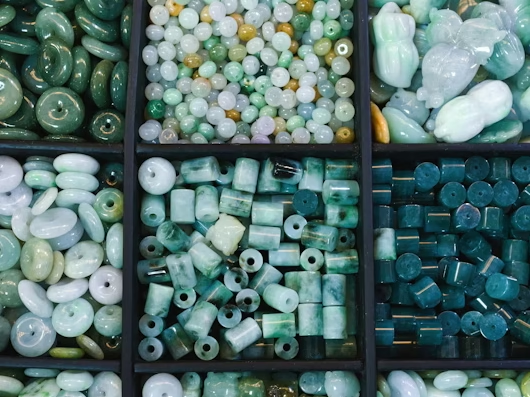
What Is Blue Jadeite?
Blue jadeite is a naturally occurring variety of jadeite characterized by blue to blue-gray coloration. Within this category, Blue Water Jade refers to a premium subset of blue jadeite known for its higher translucency, fine texture, and water-like clarity.
In gemological classification, jade is divided into two minerals:
- Jadeiie
- Ne
Blue jadeite belongs to the jadeite family, which is rarer and generally more valuable than nephrite.
Blue Jadeite vs Blue Water Jade: Are They the Same?
Not exactly.
All Blue Water Jade is blue jadeite.
But not all blue jadeite qualifies as Blue Water Jade.
Blue Water Jade typically features:
- Noticeable translucency
- Even blue-gray tone
- Minimal inclusions
- Fine crystalline structure
Lower-grade blue jadeite may appear opaque, patchy, or dull in comparison.
What Determines the Quality of Blue Jadeite?
Gemologists evaluate blue jadeite using five primary criteria:
1. Color
Premium blue jadeite should display:
- Pure blue or blue-gray tone
- Even saturation
- No visible dye concentration
- No greenish contamination
The finest Blue Water Jade appears like deep ocean water under glass.
2. Translucency
Translucency is a critical value driver.
High-grade blue jadeite:
- Allows light penetration
- Shows inner glow
- Avoids chalky opacity
In trade terminology, this is often described as good “water” .
3. Texture
Under magnification, top-quality blue jadeite shows:
- Compact crystal structure
- Smooth surface polish
- No acid etching marks
4. Treatment Status
In the U.S. market, jadeite is classified as:
- Type A – Natural, untreated
- Type B – Acid treated and polymer impregnated
- Type C – Dyed
For investment and long-term durability, Type A blue jadeite is strongly preferred.
5. Origin
Most high-quality jadeite, including premium blue jadeite, originates from Myanmar (Burma). Guatemala also produces jadeite, though typically in different color ranges.
How Valuable Is Blue Jadeite?
Retail price ranges in the U.S. (2026 estimates):
- Small pendants: $200–$800
- Bracelets: $1,000–$5,000
- High-translucency bangles: $8,000–$25,000+
Value depends primarily on:
- Translucency
- Color purity
- Size
- Thickness
- Untreated status
While Imperial Green jadeite remains the highest-priced category, fine Blue Water Jade is increasingly recognized in the collector segment.
Is Blue Jadeite Rare?
Compared to green jadeite, blue jadeite is less common in high translucency grades.
True Blue Water Jade — meaning:
- Strong water clarity
- Even color
- No treatment
—is considered relatively rare in the global retail market.
Is Blue Jadeite a Good Investment?
Jadeite is not a speculative asset like cryptocurrency. It is:
- Illiquid
- Quality-sensitive
- Market-dependent
However, top-grade untreated jadeite has demonstrated long-term appreciation in auction markets, particularly rare color categories.
Blue jadeite remains a niche but growing segment in the U.S. fine jewelry market.
Who Should Consider Blue Jadeite Jewelry?
Blue jadeite appeals to:
- Buyers who prefer cool-toned gemstones
- Minimalist jewelry enthusiasts
- Professionals seeking understated luxury
- Male jewelry buyers
Its neutral tone pairs well with platinum, white gold, and modern jewelry settings.
FAQ
1. Is blue jadeite natural?
Yes. Blue jadeite occurs naturally due to trace mineral composition within jadeite deposits. However, some pieces are dyed, so certification is recommended.
2. Is blue jadeite the same as Blue Water Jade?
Blue Water Jade is a premium subset of blue jadeite characterized by higher translucency and finer texture.
3. How can I tell if blue jadeite is real?
Request certification, avoid unnaturally bright colors, and examine the piece under magnification for dye concentration or polymer fill.
4. Is blue jadeite more expensive than green jade?
Generally, top-grade Imperial Green jadeite is more expensive. However, high-quality Blue Water Jade can command significant prices.
5. Does blue jadeite change color over time?
Natural untreated jadeite does not change color. Dyed jade may fade.