Introduction
Blue Water Jade is often misunderstood in the U.S. market. Many buyers search for blue jadeite, icy jade, imperial jade, or nephrite without fully understanding the differences between these categories.
This guide provides a gemological comparison of Blue Water Jade versus other major jade types, including Imperial Green jadeite, Icy jade, Nephrite jade, and treated jade varieties.
If you are considering purchasing jade jewelry, understanding these distinctions is essential for evaluating value, durability, and long-term appreciation potential.
What Is Blue Water Jade?
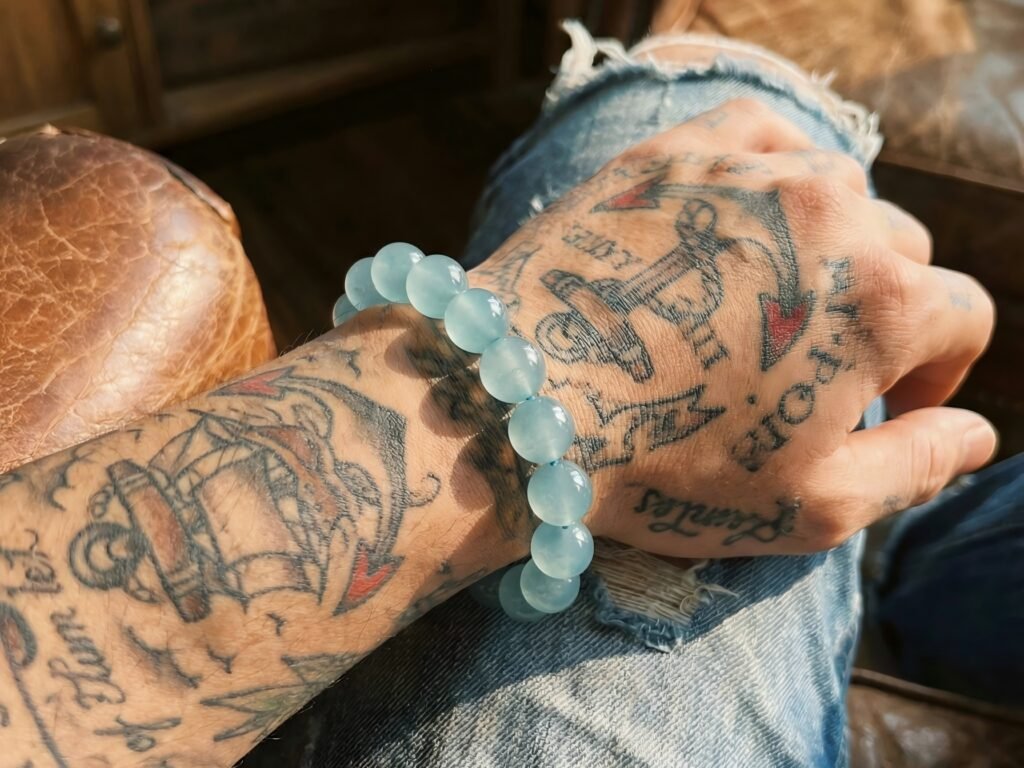
Blue Water Jade is a premium subset of blue jadeite characterized by:
- Blue to blue-gray coloration
- Noticeable translucency (“water”)
- Fine crystalline texture
- Typically untreated (Type A preferred)
It is not a separate mineral species. It belongs to jadeite, the rarer and more valuable of the two jade minerals.
Blue Water Jade vs Imperial Green Jade
Imperial Green jadeite is considered the highest-value jade category globally.
Color
- Blue Water Jade: Cool blue-gray tone
- Imperial Jade: Vivid emerald green
Rarity
Imperial jade of fine quality is extremely rare.
High-quality Blue Water Jade is rare but more available than top imperial specimens.
Price
Imperial Green jadeite typically commands higher auction prices.
However, fine translucent Blue Water Jade can reach significant retail values.
Buyer Profile
Imperial jade appeals to traditional collectors.
Blue Water Jade appeals to modern minimalist buyers.
Blue Water Jade vs Icy Jade
Icy jade refers to highly translucent jadeite with minimal color saturation.
Color Saturation
- Blue Water Jade: Medium color saturation
- Icy Jade: Very light or nearly colorless
Visual Appearance
Icy jade resembles frozen water or clear ice.
Blue Water Jade resembles deep ocean water.
Market Perception
Icy jade is appreciated for purity and clarity.
Blue Water Jade is valued for its unique tone and depth.
Blue Water Jade vs Nephrite Jade
This is a critical distinction.
Mineral Composition
- Blue Water Jade: Jadeite
- Nephrite Jade: Nephrite (different mineral structure)
Hardness
Jadeite is slightly harder than nephrite.
Value
Fine jadeite generally commands higher prices than nephrite in the U.S. fine jewelry market.
Blue nephrite exists, but it lacks the translucency and structural density of high-grade blue jadeite.
Blue Water Jade vs Treated Jade (Type B & C)
Understanding treatment is crucial.
Type A Jade
Natural, untreated jadeite.
Type B Jade
Acid-treated and polymer-filled to improve clarity.
Type C Jade
Dyed to enhance color.
Blue Water Jade of investment quality should be Type A.
Treated jade may appear visually attractive but does not retain long-term value
Blue Water Jade vs Dyed Blue Jade
Artificially dyed jade often shows:
- Overly bright or electric blue tone
- Color concentration in cracks
- Uneven surface staining
Natural Blue Water Jade exhibits:
- Subtle color transition
- Internal depth
- No dye pooling
Certification is strongly recommended for higher-value purchases.
Which Jade Type Is the Most Valuable?
In general:
- Imperial Green Jadeite (Top Tier)
- High-Translucency Blue Water Jade
- Icy Jade
- Commercial Jadeite
- Nephrite
However, value depends heavily on:
- Translucency
- Color purity
- Size
- Untreated status
Which Jade Type Is Best for Daily Wear?
All jadeite varieties are durable enough for daily wear if properly set.
Blue Water Jade is especially popular for:
- Rings
- Pendants
- Bracelets
Its neutral tone pairs well with white gold and platinum settings.
Final Thoughts
Blue Water Jade occupies a distinctive niche in the jade market. It offers:
- Modern aesthetics
- Increasing collector interest
- Strong durability
- More accessible pricing than imperial jade
For buyers seeking a balance between rarity, beauty, and wearability, Blue Water Jade presents a compelling option.
Understanding the differences between jade categories allows buyers to make informed decisions and avoid overpaying for treated or misrepresented materials.