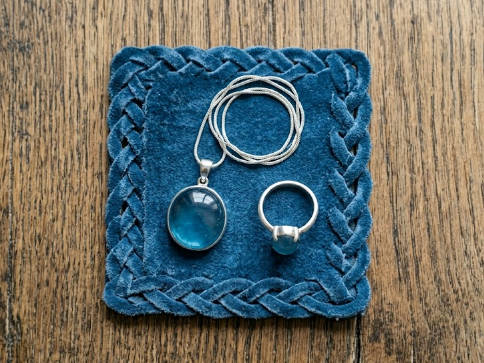
Introduction
Buying jade for the first time can be confusing, especially in the U.S. market where quality, treatments, and pricing vary significantly.
Unlike diamonds or gold, jade does not have a universally standardized grading system. Its value depends on a combination of color, translucency, texture, and authenticity.
This guide explains how to buy jade step by step, helping you avoid common mistakes and choose a piece that offers both beauty and long-term value.
1. Understand the Two Types of Jade
Before buying jade, it is essential to know that “jade” refers to two different minerals:
Jadeite
- Rarer and more valuable
- Found mainly in Myanmar
- Includes high-end varieties such as blue jadeite and imperial green
Nephrite
- More common
- Usually less expensive
- Often found in China, Canada, and New Zealand
In the U.S. jewelry market, most high-value pieces are jadeite.
2. Learn the Jade Quality Factors
Jade is evaluated based on four primary criteria:
Color
Color is the most important factor.
High-quality jade should have:
- Even color distribution
- Pure tone (no muddy or dull appearance)
- No obvious patches
For blue jadeite, the ideal color is a natural blue or blue-gray tone with depth.
Translucency
Translucency determines how light passes through the stone.
- High translucency = higher value
- Opaque jade = lower value
Premium jade often shows a soft inner glow when exposed to light.
Texture
Texture refers to the fineness of the crystal structure.
Fine jade should appear:
- Smooth
- Dense
- Free of visible grain
Rough or coarse texture reduces value.
Cut and Shape
Well-crafted jade jewelry should have:
- Balanced proportions
- Smooth polish
- No visible cracks
Thicker pieces are generally more valuable than thin ones.
3. Always Check Jade Type (A, B, C)
This is one of the most critical steps.
Type A Jade
Natural, untreated jadeite. Highest value.
Type B Jade
Chemically treated and resin-filled. Lower durability.
Type C Jade
Dyed jade. Lowest value.
For beginners:
Always choose Type A jade whenever possible.
4. Ask for Certification
In the U.S., certification is essential for higher-value jade.
Trusted laboratories include:
- Gemological Institute of America
- American Gemological Laboratories
A proper report should confirm:
- Natural jadeite
- No dye
- No polymer treatment
If a seller cannot provide certification, proceed with caution.
5. Set a Realistic Budget
Jade prices vary widely depending on quality.
Typical ranges in the U.S. market:
- Entry-level pieces: $100–$500
- Mid-range jewelry: $1,000–$5,000
- High-end jadeite: $8,000+
Be cautious of:
- Prices that seem too low
- “High translucency” jade at budget prices
These often indicate treated or imitation materials.
6. Choose the Right Type of Jewelry
Different jade jewelry types serve different purposes:
Bracelets
- Most popular
- Symbolize protection and continuity
Pendants
- Versatile and easy to wear
- Good for beginners
Rings
- Stylish but require correct sizing
- Often used for statement pieces
Choose based on your lifestyle and daily wear habits.
7. Understand Origin and Its Impact
Most high-quality jadeite comes from Myanmar (Burma).
While origin alone does not determine value, Burmese jadeite is widely considered the benchmark for quality in the global market.
8. Avoid Common Beginner Mistakes
Many first-time buyers make the same errors:
- Buying based on color alone
- Ignoring treatment status
- Not asking for certification
- Trusting unrealistic discounts
- Confusing jadeite with nephrite
Taking time to evaluate these factors can prevent costly mistakes.
9. Buy from Transparent Sellers
A trustworthy seller should:
- Clearly disclose treatment status
- Provide certification
- Offer return policies
- Answer technical questions
Transparency is a strong indicator of authenticity.
10. Think Long-Term: Wearability vs Investment
When buying jade, consider your goal:
For Daily Wear
- Focus on comfort and durability
- Medium quality is sufficient
For Investment
- Prioritize Type A jadeite
- High translucency
- Strong color
Not all jade is investment-grade, but high-quality jadeite can retain value over time.
Final Thoughts
Buying jade is not about finding the cheapest option—it is about understanding quality, authenticity, and long-term value.
For beginners in the U.S. market, the safest approach is to focus on:
- Type A jadeite
- Verified certification
- Balanced color and translucency
- Reputable sellers
With the right knowledge, jade can be both a meaningful piece of jewelry and a lasting asset.